A water heater is the appliance Hickory homeowners think about twice: the day it is installed and the day it leaks. In between, three habits decide how long it lasts. Draining sediment once a year, checking the anode rod before it is gone, and knowing the realistic lifespan of a tank turn a surprise flood into a planned replacement.
None of this requires loving maintenance. It requires understanding what each part does, because the decision between flushing, replacing a rod, replacing the heater, or switching to tankless depends on the age and condition of the tank you already own.
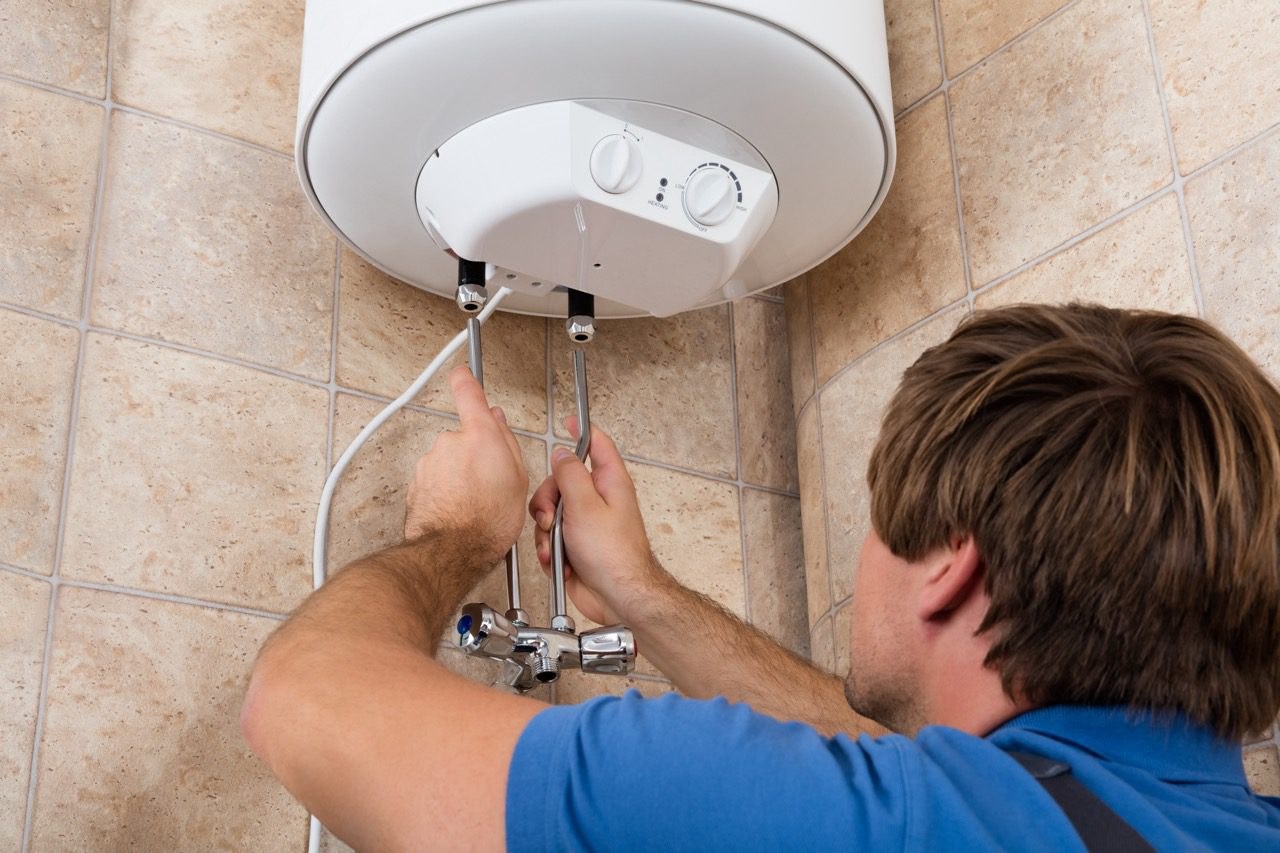
Lifespan, stated plainly
A conventional tank water heater typically lasts about 8 to 12 years. Tankless units typically run longer, often around 20 years, with regular descaling, especially where water carries mineral content. Those are ranges, not promises: a tank that has never been flushed in hard water can fail early, and a maintained tank can outlast the range.
Age alone is not the decision. A 9-year-old tank with a good anode rod, no rust at fittings, and quiet operation is a maintain candidate. A 7-year-old tank with rusty water, rumbling, and a rod never checked may already be corroding from the inside, which no flush can reverse.
| Situation | Best next step | Why |
|---|---|---|
| Tank under 6 years, rumbling or popping sounds | Flush the sediment | Sediment on the bottom insulates and overheats the tank floor, causing the noise |
| Tank 3 to 5 years old, never checked inside | Inspect the anode rod | The rod is meant to corrode first; replacing it while the tank is sound extends tank life |
| Anode rod worn to a thin wire | Replace the rod promptly | Once the rod is gone, corrosion moves to the tank wall itself |
| Rusty hot water or leaks at the tank body | Plan replacement | A leaking tank cannot be repaired; the steel has failed |
| Endless hot water need, limited space | Consider tankless at replacement time | Tankless heats on demand but needs descaling and different venting and gas or electric capacity |
| Frequent sediment despite flushing | Ask about water treatment | Heavy mineral load shortens every heater's life, tank or tankless |
Flushing and the rod nobody replaces
Flushing means draining several gallons, or a full drain for a neglected tank, to carry out the sediment that settles from heated water. In North Carolina, mineral content varies by source, but sediment is normal everywhere water is heated and held. Left in place, it forces longer burner or element run times, makes rumbling sounds, and bakes onto the tank bottom.
The anode rod is a metal rod, usually magnesium or aluminum, hung inside the tank specifically to be eaten by corrosion instead of the tank. It is the most effective life extender on the unit and the part almost nobody checks, partly because it lives under a hex head on top and can be stiff to remove. Check it around year three to five, then on a schedule based on how fast it is being consumed. Replacing a worn rod on a sound tank is one of the few genuinely good deals in plumbing.
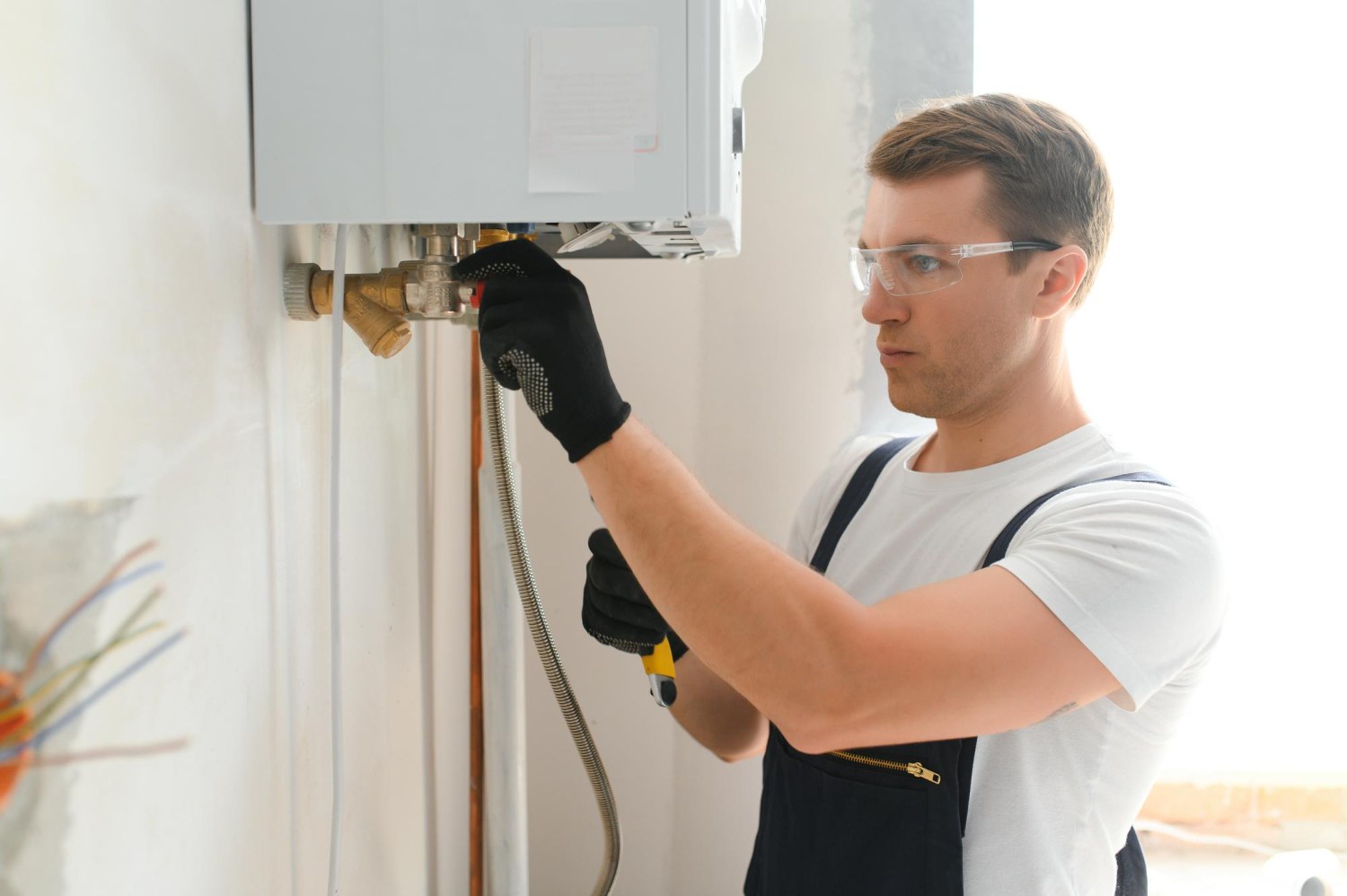
Safety parts that are not optional
Every tank has a temperature and pressure relief valve, the levered valve on the side or top with a discharge pipe. It is the last defense against dangerous pressure buildup, and it should be checked for operation and never capped, plugged, or used as a handle for anything else. If it drips steadily, that is a symptom to diagnose, often expansion or pressure, not a valve to silence.
Keep the thermostat around 120 degrees for a standard balance of comfort, scald safety, and efficiency, unless your household has a specific reason a plumber has discussed with you. In Hickory, Curtis & Sons Plumbing services both tank and tankless heaters, and the honest conversation starts with the age and rod condition of the one you have.
Common questions
How often should I flush my water heater?
Once a year is the standard guidance for a tank heater. Homes with heavier mineral content may benefit from staying strict about that schedule, since sediment builds faster.
What does a rumbling water heater mean?
Usually sediment. Water trapped under a sediment layer boils and pops as it escapes, making the rumble. A flush often quiets a sound tank, while rust or leaks alongside the noise point to replacement.
What is an anode rod?
A sacrificial metal rod inside the tank that corrodes in place of the tank wall. Checking it around three to five years in, and replacing it when worn, is the main way to extend a tank's life.
Photos in this guide are representative stock images.
← All guides from Curtis & Sons Plumbing← Back to Curtis & Sons Plumbing