A toilet that refills on its own every so often, hisses for a few seconds at random, or runs until someone jiggles the handle is wasting water in the least dramatic way possible. No puddle, no flood, just a slow transfer from your supply line to the sewer, day and night. In Hickory, as anywhere, that small leak is one of the most common sources of an unexplained jump in water use.
The good news is that the causes live in a short list and the test for the main one needs nothing but food coloring and ten minutes. The calendar below spreads the checks across the year, because toilet parts age on their own schedule, not on yours.
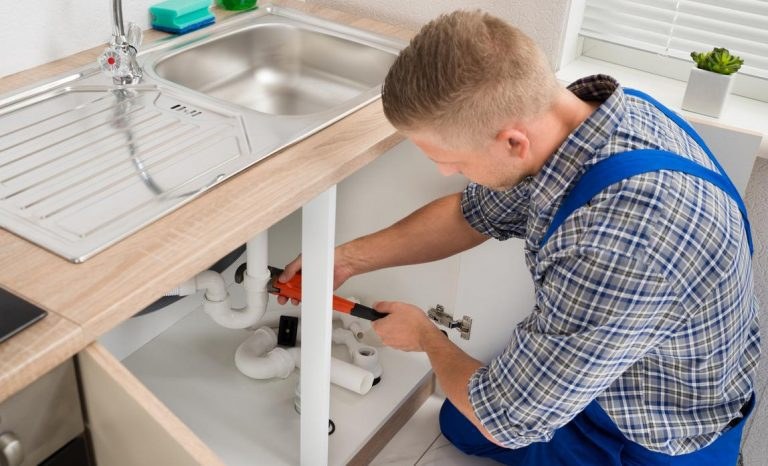
Inside the tank, in plain terms
Three parts do almost all the work. The flapper is the rubber seal at the bottom that lifts to flush and drops to hold tank water. The fill valve refills the tank and shuts off at the waterline. The flush handle and chain connect your hand to the flapper. When a toilet runs, it is usually the flapper leaking water into the bowl slowly enough that the fill valve tops the tank up in short, repeating cycles.
Flappers harden and warp with age and with chlorine in the water, often in just a few years. Fill valves wear too, either failing to shut off fully or refilling the bowl past the overflow tube if the water level is set too high. Both are inexpensive style parts in general terms, and both are within reach of a careful homeowner with the water to the toilet shut off first.
| When | Check | What you are looking for |
|---|---|---|
| January | Dye test every toilet | Color appearing in the bowl without flushing means a leaking flapper |
| April | Water level in the tank | Level about an inch below the overflow tube, not spilling into it |
| July | Listen at night | Random refill hisses in a quiet house mean a slow tank leak |
| October | Flapper and chain condition | Warped, stiff, or slimy flapper; chain with just a little slack |
| Any month the bill jumps | Meter check | Meter moving when no water is being used points to a leak somewhere |
| Every two to three years | Plan on flapper replacement | Rubber seals age out on roughly this cycle even before they visibly fail |
The dye test anyone can do
Put several drops of food coloring in the tank, do not flush, and wait about ten to fifteen minutes. Look in the bowl. If color shows up without a flush, tank water is leaking past the flapper into the bowl. That is the whole diagnosis for the most common running toilet, done with no tools and no guesswork.
If the dye stays put but the toilet still runs, look at the water level and the fill valve. Water set too high pours quietly down the overflow tube. A fill valve that will not shut off leaves the toilet filling long after a flush. Jiggling the handle fixing the problem points to the chain or flapper hanging up, often a chain that is too long and catches under the seal.
Why a small leak deserves a prompt fix
A toilet leaking at even a modest, steady rate can waste a surprising volume over a month, since it runs all twenty-four hours, including when the house is empty. It also ages the fill valve faster, because a valve built for a few fills a day ends up cycling dozens of times. Fixing the flapper early is one repair that genuinely prevents the next one.
Replace a worn flapper with the right size for your toilet, keep the chain slack small, and retest with dye when you are done. If a new flapper does not seal, the flush valve seat it sits on may be rough or cracked, and that is a reasonable point to call Curtis & Sons Plumbing in Hickory rather than buying a third flapper and hoping.
Common questions
Why does my toilet run every few minutes?
Usually a leaking flapper lets tank water escape into the bowl until the fill valve tops the tank back up. The dye test confirms it in about ten minutes.
How much water can a running toilet waste?
A steady leak runs day and night, so even a slow one adds up to a large volume over a billing cycle. It is one of the first things to check when a water bill jumps without explanation.
Is replacing a flapper a DIY job?
For most homeowners, yes. Shut off the water at the toilet valve, swap the flapper for the correct size, adjust the chain to slight slack, and confirm the fix with a dye test.
Photos in this guide are representative stock images.
← All guides from Curtis & Sons Plumbing← Back to Curtis & Sons Plumbing