Hickory does not get Minnesota cold, and that is exactly why frozen pipes catch people here. Houses in the Piedmont are built for mild winters, with plumbing in crawlspaces, garages, and outside walls that only freeze a few nights a year. When an Arctic front drops temperatures into the teens, those are the pipes that go, and a burst rarely announces itself until the thaw.
Work this as troubleshooting in advance: start from where water would freeze first, check the protection on those runs, and know the shutoff before you need it. The steps below go in order, from a normal cold snap forecast to the morning something has already burst.
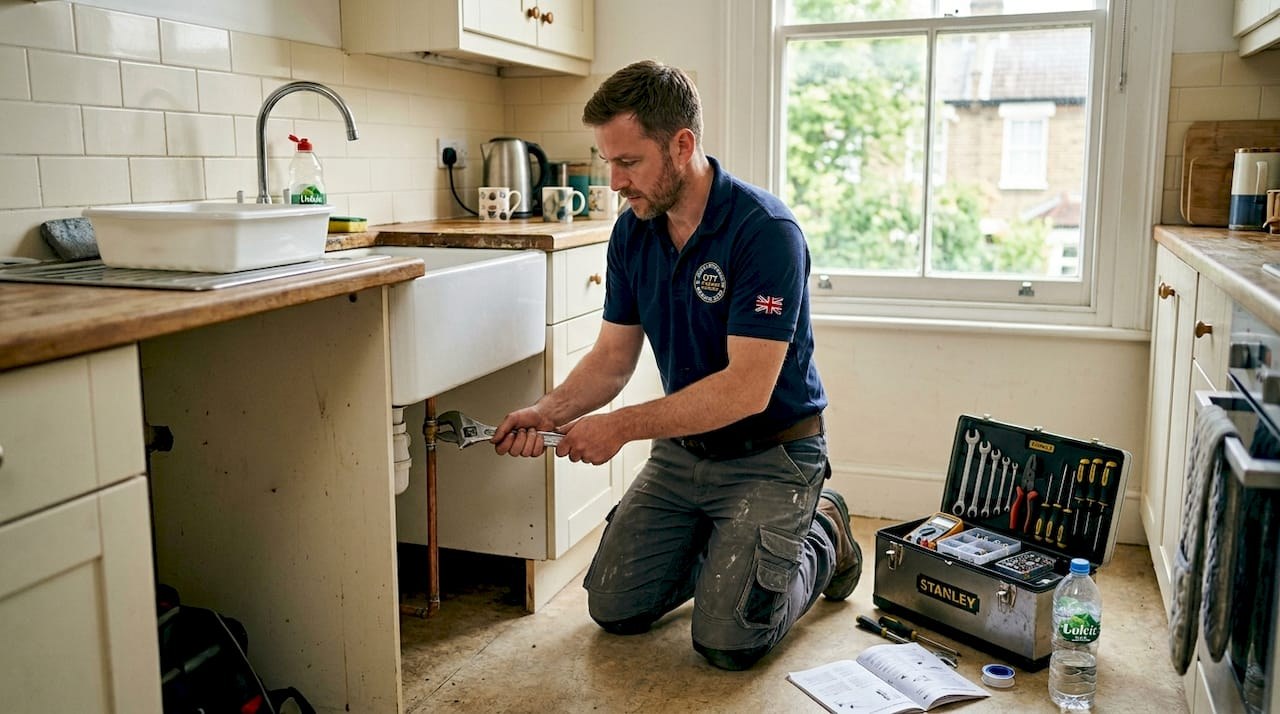
- Find your exposed runs before the cold does. Crawlspace lines, pipes on outside walls, garage plumbing, and outdoor hose bibs freeze first. In many Hickory homes the kitchen sink sits on an outside wall, which is why it is a repeat offender.
- Insulate what you can reach. Foam pipe sleeves on accessible crawlspace and garage runs are cheap insurance. Seal crawlspace vents and gaps where cold air pours directly onto a pipe, since moving cold air freezes faster than still air.
- Disconnect hoses and cover hose bibs. A hose left attached traps water in the bib and the short pipe inside the wall. Drain the hose, store it, and fit an insulated cover over each outdoor faucet.
- On the coldest nights, open cabinet doors and let a faucet drip. Opening the doors under a sink on an outside wall lets warm room air reach the pipes. A slow drip, about a pencil-lead stream from the faucet farthest from where water enters, keeps water moving and relieves pressure if ice does form.
- If a pipe freezes, thaw it gently and watch it. Open the faucet, apply warm air with a hair dryer or space heater kept away from water, and work from the faucet back toward the frozen section. Never use an open flame. A pipe that froze may have split, so watch closely as it thaws.
- If a pipe bursts, shut the water off first. Close the main shutoff, usually near the meter or where the line enters the house, then open faucets to drain pressure. Only then start mopping. Knowing this valve location in October is worth more than any tool in January.
The symptom that means stop guessing
No water at one faucet on a cold morning, with the rest of the house fine, usually means that branch is frozen. No water anywhere, or a meter that spins when nothing is running, points to a break. Water staining a ceiling or pooling in the crawlspace after a thaw is a burst that already happened, and it will keep feeding until the main is closed.
Heat tape is an option for a known problem run, installed to the manufacturer's instructions and checked each fall, but it is a supplement, not a substitute for insulation and air sealing. Electric heat plus old wiring plus a crawlspace deserves respect, so have questionable runs looked at rather than stacking fixes.
What you can do, and when to call
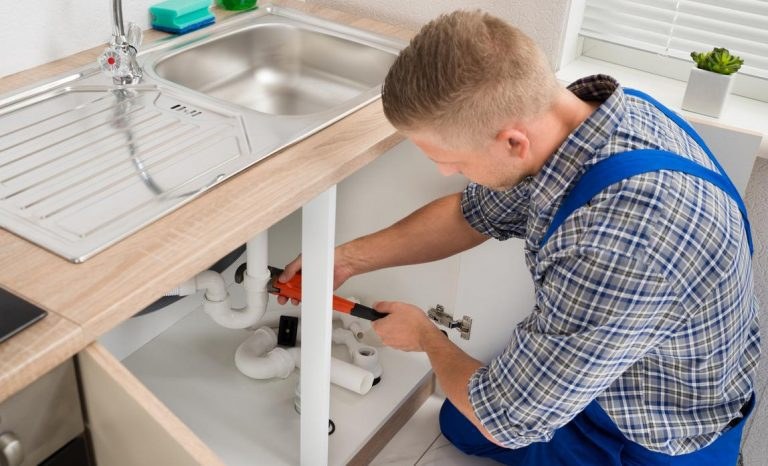
Insulating, dripping, disconnecting hoses, and gently thawing an accessible frozen section are homeowner work. So is learning the shutoff, testing it once a year so it is not seized when you need it, and keeping the number for help where you can find it with wet hands.
Call a plumber when a pipe has burst, when the frozen section is inside a wall, when thawing produces a leak, or when the same run freezes every winter and needs rerouting or proper insulation you cannot reach. In Hickory, Curtis & Sons Plumbing handles that repair work, and a recurring freeze is a design problem to fix in spring, not a ritual to repeat each January.
Common questions
How cold does it have to get for pipes to freeze?
Pipes in uninsulated spots can freeze when temperatures stay around 20 degrees or below, and wind and placement matter as much as the number. Outside-wall and crawlspace runs are at risk in a hard Piedmont cold snap.
Should I drip hot or cold water?
A slow cold water drip is the usual advice, since the cold line is often the exposed one. If both lines run through the cold area, a drip from the faucet farthest from the water entry helps the whole branch.
What do I do first if a pipe bursts?
Shut off the main water valve, then open faucets to relieve pressure. Cut power to a water heater or any circuit getting wet if you can do so safely, then call for repair.
Photos in this guide are representative stock images.
← All guides from Curtis & Sons Plumbing← Back to Curtis & Sons Plumbing